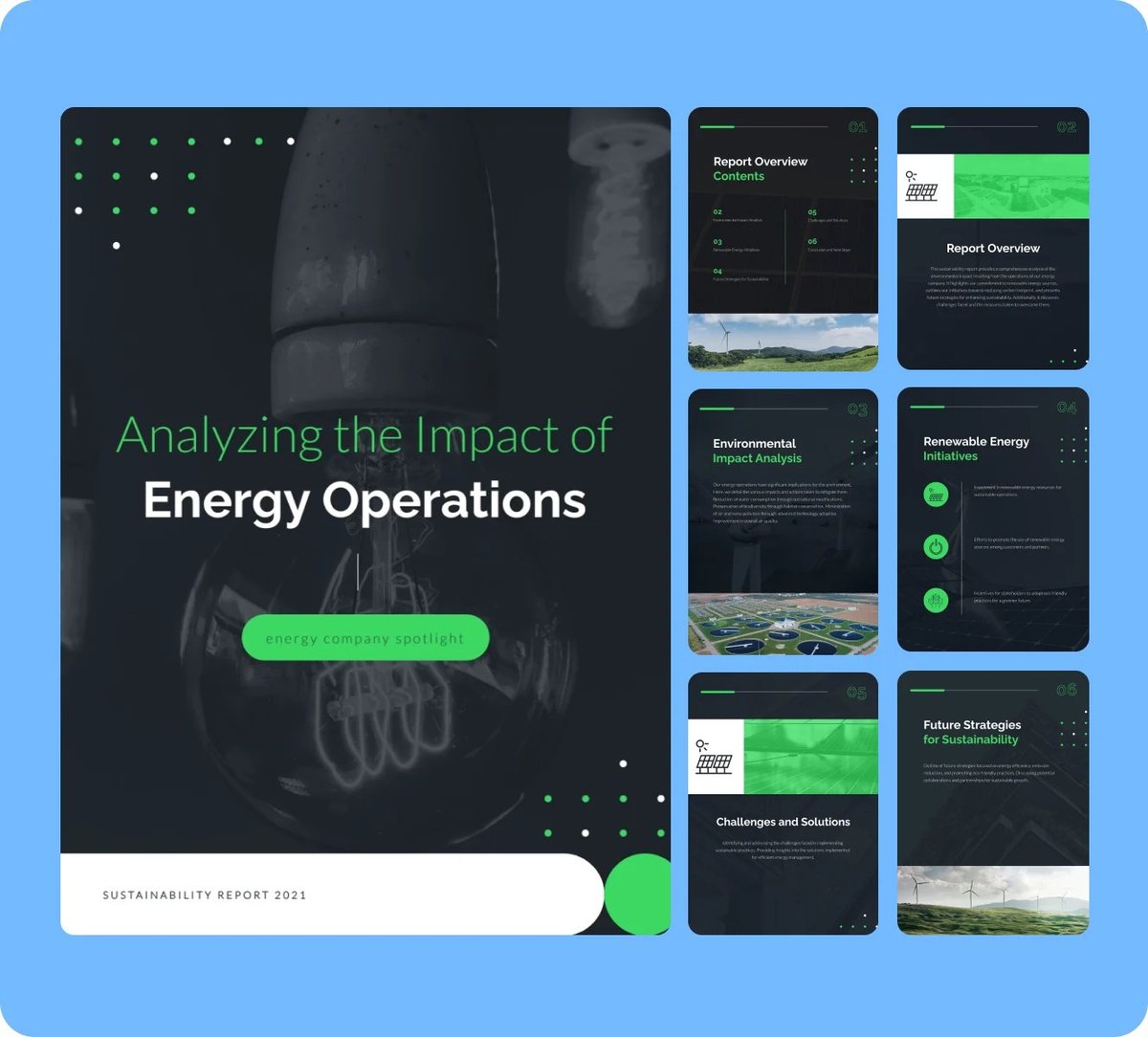
In today's data-driven world, managers are buried under an avalanche of information. Making quick, informed decisions isn't just an advantage; it's a survival skill. That's precisely where selecting the best AI report generator becomes crucial. Imagine transforming raw data into crisp, actionable insights in a fraction of the time it once took. This isn't science fiction; it's the present reality, empowering leaders to communicate effectively, automate tedious tasks, and scale their content production effortlessly.
No more drowning in spreadsheets or spending hours crafting narratives. The right AI tool can streamline data communication, pinpoint critical insights, and even maintain your brand's unique voice across every report. But with a growing sea of options, how do you choose the one that truly fits your unique workflow?
At a Glance: Key Takeaways
- Time & Cost Savings: AI tools can slash report creation time by up to 80% and are more cost-efficient than hiring freelancers for frequent needs.
- Core Capabilities: Look for automation of data analysis, structured insights, platform integration (Excel, BI), strong executive summaries, evidence embedding, and tone control.
- Top Contenders: ML Clever excels for structured enterprise reports, Pictochart for visuals, and Jasper AI for marketing-focused narrative generation.
- Not a Magic Bullet (Yet): AI needs human oversight. Fact-checking and manual structuring are often necessary, especially for general-purpose tools.
- Future-Proofing: Expect hyper-personalized reports, real-time data syncing, and voice-to-report interfaces in the coming years.
Why AI Report Generators Are Non-Negotiable Today
The modern business landscape demands speed and precision. Traditional report generation—collating data, analyzing trends, drafting narratives, ensuring accuracy, and formatting—is a time-consuming behemoth. It siphons valuable hours from strategic thinking and often leads to decision fatigue. This manual grind is unsustainable, especially when stakes are high and insights need to be delivered yesterday.
AI report generators step in as your strategic co-pilot. They don't just write; they synthesize. They excel at outlining complex reports, crafting compelling narratives, and embedding credible evidence to build trust. For managers, this means:
- Faster Decisions: Get crucial data summaries and recommendations in minutes, not days.
- Streamlined Communication: Deliver consistent, professional reports across departments and to stakeholders.
- Automated Insights: Uncover patterns and trends that might be missed by manual review, offering a distinct competitive edge.
- Scaled Content: Produce a higher volume of reports without compromising quality, vital for market research, investor updates, or internal audits.
The ability to offload repetitive tasks frees up your team to focus on high-value, strategic initiatives. It transforms reporting from a chore into a powerful engine for growth and clarity.
The Powerhouse Features: What a Top-Tier AI Report Generator Delivers
When you're evaluating AI report generators, you're not just looking for a word processor with a fancy autocomplete. You need a robust tool that acts as an intelligent partner. The best ones offer a suite of capabilities designed specifically for the rigor of business reporting:
- Automated Data Analysis: This is foundational. The tool should be able to ingest raw data, process it, and identify key trends and outliers, doing the heavy lifting before it even starts writing.
- Structured Insights: Beyond just data, it needs to present findings in a logical, coherent manner. This includes clearly defined sections like problem statements, analytical breakdowns, findings, and actionable recommendations.
- Platform Integration: A truly useful tool doesn't live in a silo. It should seamlessly integrate with your existing data sources and BI tools, whether that's Excel, Google Sheets, Tableau, or Zoho Analytics. This ensures your reports are always built on the freshest data.
- Crisp and Actionable Executive Summaries: Your time-crunched executives need the "TL;DR." An AI generator should condense complex reports into concise, compelling summaries that highlight critical takeaways and next steps. This is paramount for crafting compelling executive summaries that resonate.
- Strong Business Insights: Explaining the "So What": It’s not enough to present data; the AI must interpret it. It should articulate the implications of the findings, offering strategic context and foresight.
- Clear Report Templates: Pre-built, customizable templates ensure consistency and structure, guiding the AI to produce reports that meet your organization's specific requirements.
- Evidence and Citations: Trust is paramount. The AI must be able to embed sources, data references, and even inline citations to back up its claims, lending credibility and fostering confidence in the report's accuracy.
- Tone and Audience Control: A report for investors differs significantly from an internal team update. The best AI generators allow you to specify tone (formal, persuasive, informative) and target audience, ensuring appropriate language and emphasis.
- Robust Automation Workflows: The goal is to reduce manual effort. Look for tools that can automate generation schedules, connect outputs to distribution channels, and minimize the need for repetitive editing.
These features collectively transform AI report generators from simple writing assistants into powerful engines for insightful, trustworthy, and efficient communication.
Finding Your Perfect Match: Key Decision Criteria
Choosing the right AI report generator isn't a one-size-fits-all endeavor. Your ideal tool depends entirely on your specific needs, existing tech stack, and reporting goals. Think of it as fitting a crucial piece into your operational puzzle.
1. Your Core Reporting Needs: What Kind of Reports Do You Generate Most?
This is the most critical starting point. Different tools excel at different types of reporting:
- Executive Updates & Board Reporting: You need structured analysis, strong governance, and robust evidence handling. Tools like ML Clever (ranked #1 for 2026 for structured analysis and enterprise reports) or Zoho Analytics (for deep BI insights) would be strong contenders.
- Visual Storytelling & Infographics: If your reports rely heavily on charts, graphs, and engaging visuals, a tool with strong design capabilities is key. Pictochart (for easy, engaging reports) and Tableau Software (for in-depth, dynamic dashboards) are excellent choices here.
- Quick Drafts for Marketing/Sales: For generating fast content, blog posts, sales proposals, or social media reports, you need speed and brand voice control. Jasper AI (powerful for detailed drafts with natural tone), Writesonic, or CopyAI fit this bill, focusing more on narrative generation than deep data analysis.
- Internal Communications & Project Updates: Simpler reports, summaries, and action items often integrate best within your existing collaboration platforms. Notion AI, Microsoft Copilot (for MS users), or Google Gemini for Workspace (for Google Docs users) can be highly effective.
- Deep Analytical Reports with Data Transformation: If you need to transform complex raw data into interactive dashboards and detailed reports, platforms designed for business intelligence are necessary. Zoho Analytics and Tableau Software are in this category, though they come with a steeper learning curve.
- Brand-Controlled Enterprise Content: Organizations with strict brand guidelines and compliance needs will prioritize tools offering extensive style guides and governance. Writer focuses on controlled AI writing for enterprises, though it's more content-focused than dedicated report-structure focused.
- General Purpose Drafting: For quick insights, brainstorming, or summarizing large documents where you're comfortable with manual structuring and fact-checking, ChatGPT or Claude offer immense versatility.
2. Data Integration & Workflow Harmony
A report generator is only as good as its ability to connect with your data. Consider:
- Existing Tools: Do you live in Microsoft Office, Google Workspace, or a specific BI platform? Tools like WPS AI (integrates with WPS Office), Microsoft Copilot, or Google Gemini for Workspace offer native experiences.
- API & Plugins: Can the AI tool connect to your CRM, marketing automation platforms, or custom databases via APIs or pre-built integrations? This is crucial for automating data analysis workflows and real-time reporting.
- Data Types: Does it handle structured data (spreadsheets) as well as unstructured data (text, surveys)?
3. Accuracy, Evidence, and Trust
In business, accuracy is non-negotiable. Reports inform critical decisions, so any tool must provide trustworthy outputs.
- Evidence Workflows: Does the tool facilitate the embedding of data sources, citations, or references? ML Clever is specifically highlighted for strong evidence workflows and inline citations.
- Fact-Checking Necessity: Be aware that tools prioritizing speed (like many general-purpose AIs) may require more manual fact-checking. ChatGPT and Wordtune have been noted for more reliable outputs, but human review is always prudent.
- Governance Features: For enterprise environments, look for advanced governance features that allow for user permissions, audit trails, and version control. ML Clever also shines here with its advanced governance.
4. Customization & Control
Your reports reflect your brand. The AI tool should empower you, not constrain you.
- Template Customization: Can you adapt pre-built templates or create your own from scratch?
- Tone & Style Guides: Can you train the AI to adhere to your company's specific brand voice, vocabulary, and preferred communication style? Jasper AI and Writer are strong contenders for brand and tone control.
- Output Formats: Does it generate reports in formats you need (PDF, Word, presentation slides, web pages)?
5. Learning Curve vs. Power
There's often a trade-off between ease of use and advanced functionality.
- Quick Start Tools: Lightweight options like WPS AI or CopyAI can be ready in under 30 minutes, ideal for immediate content generation.
- Advanced Platforms: Powerful BI tools like Tableau and Zoho Analytics may require 2-3 days of exploration or training to unlock their full potential. Evaluate if your team has the resources and time for this investment.
6. Cost-Benefit Analysis
AI tools are an investment. Compare subscription costs against the tangible benefits.
- Subscription Models: Most AI tools operate on monthly or annual subscriptions (e.g., Jasper AI: $39/month, Writesonic: $16/month, ChatGPT Plus: $20/month).
- Freelancer vs. AI: Consider the cost efficiency. Hiring a freelancer for a 1000-word report could range from $80-$150. An AI tool, even with its subscription, becomes significantly more cost-efficient for frequent reporting needs.
- ROI: Quantify time saved, improved decision-making, and enhanced report quality to justify the investment.
By systematically evaluating these criteria, you can narrow down your options and confidently select an AI report generator that truly elevates your workflow.
Meet the Contenders: A Deep Dive into the Top AI Report Tools (2025/2026)
Let's look at some of the leading AI report generators, categorized by their primary strengths, to help you understand where each truly shines.
For Structured Analysis & Enterprise Reports: The Trust Builders
When precision, governance, and verifiable evidence are paramount, certain tools rise to the top.
- ML Clever (Ranked #1 for 2026): This is the gold standard for enterprise-grade, structured analysis. If you're creating executive updates, board reports, or market research briefs where every claim needs backing, ML Clever is built for you. Its best-in-class features include robust evidence workflows, fast revisions, powerful executive summary generation, and inline citations. The advanced governance features, while requiring team onboarding, ensure compliance and trust. This is for organizations that cannot compromise on the integrity or verifiability of their reports.
- Writer: While more content-focused, Writer offers controlled AI writing for enterprises, featuring brand and tone controls, templates, style guides, and enterprise governance. It helps maintain consistency across large organizations, though it's less about deep data analysis and more about structured, on-brand narrative generation.
For Visual Storytelling & Engaging Infographics
Sometimes, a picture (or an interactive dashboard) is worth a thousand words.
- Pictochart: This tool is designed for visual impact. With its drag-and-drop editor and customizable templates, Pictochart makes creating engaging, easy-to-understand reports and infographics accessible. It's perfect for communicating complex data in a digestible, visually appealing format, ideal for presentations or public-facing reports.
- Tableau Software: For serious data visualization and analytics, Tableau is a powerhouse. It enables in-depth analytics and data storytelling with dynamic dashboards and a user-friendly drag-and-drop interface. While it requires a decent learning period, the stunning visual reports and deep analytical capabilities it offers are unparalleled for organizations needing advanced data exploration.
- Zoho Analytics: This is a comprehensive business intelligence platform. It excels at transforming raw data into dynamic visual reports and dashboards. Ideal for organizations that need detailed, automated analytics across various data sources, it does come with a learning curve but provides extensive customization for intricate reporting.
For Quick Drafts & Content Generation (Marketing & Sales Focus)
Speed, agility, and a strong narrative voice are key for these use cases.
- Jasper AI: Powerful for crafting detailed, structured business reports with a natural writing tone, Jasper AI is excellent at remembering tone and style across multiple outputs. It's a fantastic tool for marketing and sales teams needing fast drafts and precise brand voice controls, though it's not designed for rigorous analysis workflows or deep evidence handling.
- Anyword: This tool blends AI content generation with predictive performance scores. If your reports are designed to perform and convert—especially for lead generation—Anyword can optimize your content for impact.
- CopyAI: Provides fast content generation using pre-built templates, making it suitable for short business reports and summaries where quick turnaround is critical.
- Rytr: A lightweight AI writing tool for quick drafts and short content. It's easy to use and efficient for basic needs but can be limiting for more complex structures and integrations.
- Writesonic: A versatile AI tool for structured business reports, blogs, and landing pages. It offers a good mix of adaptable features, making it a solid choice for teams needing a flexible content generation solution.
For Integrated Office Suites & General Productivity
Leveraging AI within your existing ecosystem can significantly boost efficiency.
- WPS AI: Generates polished, well-formatted reports directly within the WPS Office suite. This is ideal for users seeking minimal effort and no external integrations, perfect for everyday office tasks.
- Microsoft Copilot: Seamlessly integrates into Microsoft workflows for quick drafts and executive summaries. With strong enterprise controls and permissions, it's a powerful addition for organizations deeply invested in the Microsoft ecosystem, though it's less structured than purpose-built report builders.
- Google Gemini for Workspace: Useful for drafting and summarizing in Google Docs with light automation and template-based reports. It's convenient for Google Workspace users but has limited deep structure for analytical workflows.
- Notion AI: Strong for collaboration within Notion for business reports and internal docs, generating summaries and action items. It's fantastic for teams already using Notion but offers limited analytics or evidence tooling for demanding enterprise reports.
For General Purpose AI & Large-Scale Summarization
These tools offer flexibility but demand more human oversight for accuracy and structure.
- ChatGPT: Versatile and intuitive for generating quick insights, summaries, and report drafts. It's flexible and fast for first drafts, but it requires manual structure and rigorous fact-checks as it is not purpose-built for enterprise report workflows.
- Claude: Strong for drafting long-form reports and summarizing large inputs. Similar to ChatGPT, it requires manual report structure and evidence handling, making it a powerful assistant but not a fully autonomous report generator.
- GrammarlyGO: Best for polishing executive summaries, rewriting, and summarizing existing drafts. It's an excellent tool for refining existing content and ensuring linguistic quality but is not an end-to-end AI report generator.
Each of these tools offers distinct advantages. The key is to match their specialized capabilities with your organization's specific reporting challenges and workflow. For a deeper dive into how AI can revolutionize your document processes, you might want to explore other essential AI tools for business.
Beyond the Hype: Quantifiable Benefits and Efficiency Gains
The move to AI-powered reporting isn't just about buzzwords; it delivers concrete, measurable improvements to your bottom line and operational efficiency.
Time Savings That Matter
Imagine reclaiming hours, even days, from your team's schedule. AI tools can achieve staggering reductions in report creation time, often up to 80%.
- Real-world Impact: A comprehensive 1000-word report that might typically consume 4-5 hours of manual effort can be drafted in a mere 35-50 minutes using tools like ChatGPT, Jasper AI, or Writesonic. This dramatic acceleration allows your team to shift focus from data compilation to strategic analysis and action.
Cost Efficiency: Smart Investments
AI report generator subscriptions often represent a significant cost saving compared to traditional methods.
- Subscription vs. Freelancer: Consider the recurring cost of an AI tool (e.g., Jasper AI at $39/month, Writesonic at $16/month, ChatGPT Plus at $20/month). Compare this to the cost of hiring a freelance writer or analyst, which can range from $80-$150 per 1000-word report. For organizations with frequent reporting needs, AI quickly becomes the more economical choice. It's an investment that pays for itself through consistent, high-quality output without the fluctuating costs of human labor.
The Learning Curve: Getting Up to Speed
The path to proficiency varies, but many tools offer quick adoption.
- Rapid Deployment: Lightweight AI tools like WPS AI and CopyAI boast an incredibly short learning curve, often allowing users to be proficient in under 30 minutes. These are perfect for teams needing immediate efficiency gains with minimal training investment.
- Strategic Investment: More advanced platforms, such as Tableau and Zoho Analytics, offer profound analytical capabilities but may require 2-3 days of dedicated exploration or training to master. The investment in learning these sophisticated tools is justified by their ability to generate incredibly detailed, dynamic, and visually rich reports.
These quantifiable benefits underscore why AI report generators are rapidly becoming an indispensable part of modern business operations. They don't just make your life easier; they make your business smarter and more agile.
Strategic Integration: Making AI Work for Your Workflow
Implementing an AI report generator isn't about simply subscribing to a tool; it's about strategically embedding it into your existing processes to maximize its value. This involves a thoughtful approach to identifying opportunities, connecting systems, and empowering your team.
Here’s how to effectively integrate AI into your reporting workflow:
- Identify Repetitive Tasks: Start by pinpointing areas where you spend the most time on reporting. Is it data gathering, narrative drafting, summarizing, or formatting? AI excels at automating these mundane, recurring tasks.
- Connect Tools & Data Sources: Leverage plugins, APIs, or built-in features to link your AI report generator with your core data sources. This could include CRM systems, marketing analytics platforms, financial databases, or even simple spreadsheets. Seamless data flow is critical for real-time, accurate reporting.
- Train Teams on Prompt Inputs: The quality of AI output is directly proportional to the quality of the prompt. Invest time in training your team on how to craft clear, concise, and context-rich prompts. This "prompt engineering" ensures the AI understands your intent, tone, and specific requirements.
- Set Up Templates & Automation Schedules: Standardize your reporting process by creating custom templates within your chosen AI tool. Then, automate generation schedules for regular reports (e.g., weekly sales updates, monthly performance reviews) to ensure timely delivery without manual intervention.
- Define Roles & Oversight: While AI automates, human oversight remains vital. Clearly define who is responsible for reviewing, fact-checking, and making final edits to AI-generated reports. This maintains accuracy and ensures the reports align with strategic goals.
Industry Use Cases (2026):
AI report generators are transforming workflows across numerous sectors:
- Marketing: Generating performance reports, competitor analysis, and campaign summaries at lightning speed. AI's role in empowering marketing teams cannot be overstated.
- Finance: Producing quarterly financial reviews, budget analyses, and risk assessment reports with enhanced accuracy.
- Education: Creating student progress reports, institutional performance reviews, and research summaries.
- Healthcare: Generating patient trend analyses, administrative efficiency reports, and clinical trial summaries.
- Business Intelligence (BI): Automating the conversion of raw BI data into executive-ready narratives and actionable recommendations.
By thoughtfully integrating AI, you're not just buying a product; you're adopting a smarter, more efficient way of working that empowers your team and drives better decision-making.
The Road Ahead: Limitations and Future Trends
While AI report generators are incredibly powerful, it's crucial to approach them with a clear understanding of their current limitations and an eye toward future developments.
Navigating Current Limitations
- Mistakes and Hallucinations: AI, especially tools prioritizing speed over absolute accuracy, is not immune to errors. These "hallucinations" can manifest as fabricated data points, misinterpretations, or logically flawed conclusions. Manual structure and rigorous fact-checking are often necessary to ensure the integrity of your reports, particularly for critical business decisions. While tools like ChatGPT and Wordtune are noted for producing more reliable and refined outputs, a human eye is still the ultimate arbiter of truth.
- Lack of Nuance & Context: AI processes data, but true strategic insight often requires deep contextual understanding, emotional intelligence, and business acumen that current AI models can't fully replicate. The "so what" might be generated, but the strategic how and why often require human interpretation.
- Data Security & Privacy: When integrating sensitive business data, robust security protocols and compliance with data privacy regulations (like GDPR or HIPAA) are paramount. Ensure your chosen AI tool offers enterprise-grade security and adheres to your organization's data governance policies.
The Exciting Future of AI Reporting
The field of AI is evolving at an astonishing pace, and report generation is no exception. We can anticipate several transformative trends:
- Hyper-Personalized Reports: Imagine reports tailored not just to an audience, but to an individual stakeholder's preferences, learning style, and specific information needs. Future AI will dynamically adjust content, depth, and even visual presentation for each recipient.
- Real-Time Data Syncing with Predictive Analytics: Reports won't just reflect past data; they'll offer immediate, live updates and integrate predictive analytics to forecast future trends and potential outcomes, enabling truly proactive decision-making.
- Voice-to-Report Interfaces: The ability to verbally request a report ("AI, generate a summary of Q3 sales performance, highlighting top-performing regions, and email it to the sales leadership team") will become standard, further reducing friction in the reporting process.
- Smarter, More Adaptive Tools: The clear shift is towards AI that combines automation with deep contextual understanding. These tools will proactively suggest analyses, identify emerging issues before they're explicitly requested, and continuously learn from user feedback to refine their outputs.
- Enhanced Ethical AI: As AI becomes more integrated, there will be a greater emphasis on ethical AI frameworks, ensuring transparency, fairness, and accountability in report generation, particularly concerning data bias and source attribution.
The future of AI in reporting promises a landscape where information is not just processed, but intelligently understood, adapted, and delivered with unprecedented precision and relevance. This journey will require continuous adaptation, but the potential for smarter, faster, and more impactful decision-making is immense. You can explore more about the future of AI in reporting as these advancements unfold.
Your Next Steps: Empowering Smarter Decisions
Selecting the best AI report generator isn't about chasing the latest fad; it's about equipping yourself and your team with the tools to navigate an increasingly complex, data-rich world. The right AI solution can free you from the mundane, elevate your insights, and foster a culture of data-driven excellence.
Start by assessing your core reporting needs, your existing tech stack, and your team's readiness for change. Pilot a few tools that align with your criteria, testing their capabilities with your specific data and use cases. Remember, while AI is a powerful assistant, your expertise and critical judgment remain irreplaceable.
Embrace this technological evolution. By choosing wisely, you won't just generate reports faster; you'll unlock deeper insights, foster clearer communication, and ultimately, empower smarter, more confident decisions that drive your organization forward. To dive even deeper into how artificial intelligence can transform your information flow, be sure to Explore our AI report generator.